Some years ago the city gave us notice that it would be digging up our street. The part of the City where I live is now about 50 years old.
Although the reason for the construction was not that obvious, we could see from all the marking on the street that it would probably be a roadway dig. Because of the pandemic that starting date was a bit delayed but when they started to put up signs and sent notices around, we found out that they planned on laying new waterpipes from one end of the street to the major intersection. Large equipment was brought in and we were told this would take at least 2 summers to complete. Soon the street was full of noise and dust as the asphalt in the middle of the road was cut, removed, dug out and the new pipes inserted with each house water lead-ins connected to the new pipes. All this was well co-ordinated and we had only some short interruptions to our water needs. When I questioned the workers as to why I did not see the old pipes removed, they indicated that was not necessary and this way is easier to just leave the old equipment in the ground. Eventual perhaps another generation of city administrations will need to deal with this.
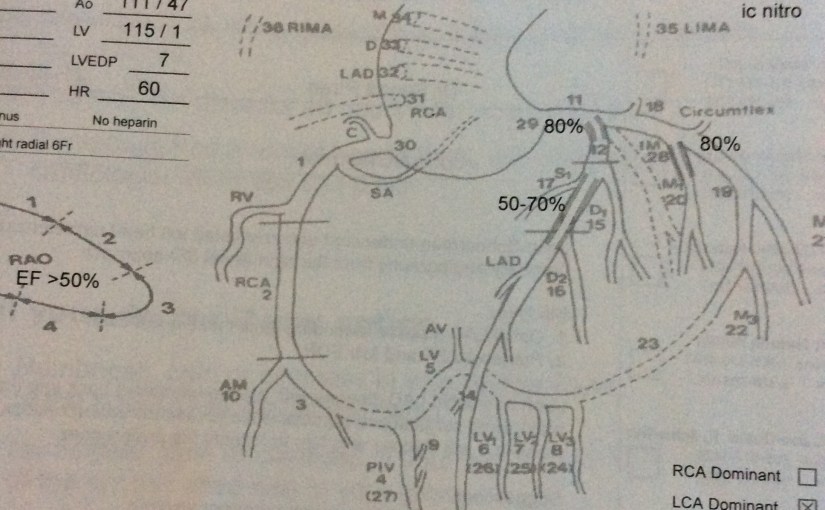
This construction made me reflect back on my quadruple by pass operation of (2020). In that instance also, the doctors left the old in and provided a by-pass. So the other day I commented to someone who had posted the following on their Facebook: ‘had another cardio check-up; ‘all is well, happy, happy!’ He remarked to me that we are exclusive members of the Zipper club! He has been well for over 18 years!
My own visit to the Cardio surgeon recently also received a good report. The ECG result were good. I am thankful. Praise God!
Funny how some everyday things intersects with the personal experiences we have had in our life journey. My mother-in-law always said: ‘You learn from every deal.’
We have now had the street repaved and the noise, vibrations and dust will soon come to an end.
On a quiet December 16th, 1773 early in the morning, at the Boston Griffin’s Wharf, they snuck aboard the vessel ‘Dartmouth’ captained by James Hall and threw some of the 114 boxes of British East India Company Tea, overboard into the Boston Harbour. It was a protest that had been simmering for years and now actions were put to the words some had uttered many times before : ‘No taxes without representation!’ The British had charged that the ‘free loading colonies’ would now be forced to pay their fair share. About time. And so there is a push-back. The ‘Boston Tea Party’ an event that became securely fastened to the scenario and conflict of the ‘American Revolutionary War of 1775-76.’
The colonies were protesting their treatment by the British parliament and its King, George III, for his unjust and manipulating Townshend Revenue Act Taxes of 1766-67. Taxes (tariffs) were placed on goods bought by the American businesses in the Colony of Massachusetts and other American Colonies to pay for the expenses that the British encountered in administering and protecting the Colonies. In other words the Colonies were the ‘free loaders’ and even-though they had no voice in the British parliament, never the less, the English found that they deserved to be paid for the governess that they supplied to the people of the Colonies. Some people of these Colonies objected, resisted and threw the taxable (Tea) items into the harbour. Demonstrating their distaste. What better way to make your objections heard and felt. The colonists had had enough! War ensued and many moved and left the country.
Sounds and looks familiar?
Some 250 years later history repeats itself. President Trump decides to institute Tariffs on all imports to the USA. Remember what the posted billboards that began to appear, said: ‘Tariffs are a TAX.‘ Tariffs were needed, Trump said, to pay for the (past) benefits of protection and friendship of and by the great MAGA state. The years of the great rip-off, for free loading beggars was over. A new scenario took shape, the Day of Liberation: to call in the IOUs of US closeness that had benefited the ‘others’ for decades, would now be rectified by them paying their long overdue debts (tariffs) to the US and equalize the score.
But as the saying goes: It takes two to tangle!
Today’s threats of counter actions by the ‘others’ became the news of the day. It consumed the media. The US arbitrary ‘Tariffs’ some as high as 145% and the on and off yo-yo-ing of the timing and percentage penalties caused havoc on the world’s financial and business dealings systems. For sure, all of this would cause business plans to collapse and ‘costs of living’ to rise, with jobs to be lost for those affected, boomeranging even back for the one that raised and began the war of the tariffs in the first place.
The bottom line motive: Money, financial gain, superpower status, fletching the ‘Empire’ muscles, proving who is the greatest, causing the Nations of the world to come and kneel at the feet of the great ‘Colossus’; like the statue ‘Nebuchadnezzar’ raised in the desert for the all peoples and tongues to bow down to and ‘beg a deal.’
O where? is the honest sentiment and the sincere invitation inscribed on that other wonderful statue placed (gifted) on the shores of the New World, some 140 years ago: “Give me your tired, your poor, your huddled masses yearning to breathe free, The wretched refuse of your teeming shore. Send these, the homeless, tempests-tossed to me, I lift my lamp beside the golden door!” Is this sentiment now lost, what was embodied by that ‘Lady with the Lamp’, at the welcoming shores of a Nation Proud and Free?
But the ‘beggars‘ struct back and warned to impose their own ‘tariffs’ some even threatening to cut off electricity and other resource necessities, to protest the unwiseness of starting this unnecessary damaging economic war with breaking agreements of past years.
I just have one question: WHY do this?!
So history repeats itself again. In fact we can go back to an Old Testament story (Book of first Kings Chapter 12) about a King who decided a tax increase (advised by ambitious young men) would prove how wise and strong he was. The result was the break-up of his country.
For us Canadians, we have seen an outcry against anything ‘American’. Elbows up Canada! Friendships are broken, trust is gone! Trips to the USA are down, vacations are planned to other points on the Globe, food items imported are left out of the shopping carts in favour of national Canadian products, the ‘Maple Leaf’ is now seen in Grocery stores and other places, governments talk about more home grown produce and locally manufactured items, new national endeavours: pipelines and supply lines from coast to coast, free trade supplies between Provinces, defense initiatives for the North, US is out; ‘Canadian made’ is in! The trade horizons are widened and business relationships are sought with close friends and allies even across the Atlantic. Let’s look out for ourselves first. Free and fair trade with a fickle neighbour? No way!
Meanwhile, the financial markets have dipped and continue to be erratic. People are fearful and yet determined! Where is the just and careful discernment in all of this! Where are the Wise Men?
Book of Proverbs chapter 29, verse 4 (NIV): By justice a king gives a country stability, but those who are greedy for bribes tear it down.
May 5, 1945 is the date when we (Dutch immigrants and our children) remember the end of the war in the Netherlands, the end of the German Nazi expansion. The defeat of the ‘Deutschland Uber Alles’ notion of superiority. The end of the evil slaughter of the expendables and innocents, but mostly the slaughter of the Jews and then of course, our celebration of renewed freedom.
In Europe and especially in the Netherlands we continue commemorating that ‘Most beautiful Spring’ (‘de Mooiste Lente’) of 1945. Our fatherland, finally given back to their own volk, a land returned to rest, although that also took years of recovery and well-being. Yet without special days marking this event how soon we forget the pain and the agony of that time.
Recently I have again been going through the stories of the book ‘Hoe Groningen Streed’. (How Groningen Fought – a commemoration of 1949-45 actions against the Nazi terror in the Province of Groningen) In this book published in 1949, we have stories of brave men and women who resisted the evil schemes of the Nazi regime. In the back of this book are 300 pictures of those who lost their lives for the fatherland and for the decency and justice in our communities. (one of those is a Johannes C. Borgdorff, he was caught distributing the illegal newspaper ‘Trouw’) The commandment ‘ Love your neighbour as yourself’ in Gospel of Mark chapter 12 was their high motive and calling. The golden rule.
The remembrances of those who died resisting the enemy are now marked by special monuments and notices that started to appear around the Netherlands and throughout Europe as the memory of the war became more distant and the living experiences faded with the passing of those who lived these events. Yearly remembrance services help keep alive this precious and precarious historic events, for the honour of those who paid the ultimate price of freedom.
But there are many nameless others who were identified as a threat to the security of the Nazi state and deemed expendable; criminals by association, deemed to be dangerous to the welfare of the Nazi Uber Mensch simply by being who they were. Hated with a passion.
It is noted 6 million Jews alone (The Final Solution) were searched out, rounded up, transported and herded into camps and killed in gas chambers or simply shot in the woods outside their quiet Polish and Ukrainian villages. Those Razzias took the ones, we cannot know except for the efforts of a man who decided they too should have their memory marked and stored so the generations who follow, will know.
So the Stolpersteine project was started by the German artist Gunter Demnig in 1992. The placement of each Stolpersteine are meant to stop us, draw our attention and commemorate those picked for liquidation and execution. On these stones are inscribed the details of them, who were removed by the Nazi regime because they were not worthy. They were Christians, Catholics, Jews, Gypsies, homosexuals, communists, Socialists, the disabled, those who fought or helped against the terrors of the regime and many others, all were persecuted and faced brutal punishment and death.
In the past during the desecration and vandalization of Jewish cemeteries, the gravestones were used to pave uneven paths and even city walkways. Sometimes people would trip over these stones and this saying became a familiar response: “A Jew must be buried under there!”. So the placement of these ‘Stolpersteine’ carried a double meaning.
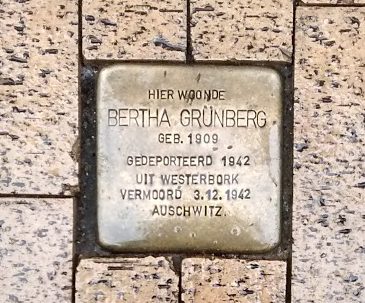
These are 4 inch square cube stones capped with a brass plate and inscribed with the following info: (see below picture) Hier woonde (here resided – lived) BERTHA GRUNBERG – Born 1909 – Deported 1942 from Westerbork – Murdered – December 3, 1942 in Auschwitz. This one we found in the Folkinge straat in the city of Groningen, a few steps from the old Synagogue.
People enthusiastically responded to this idea of these ‘remembrance-stones’ and since 1993 over 100,0000 have been placed all over Europe from Russia, Ukraine to Denmark and France, everywhere. In Holland there are 14,000 of these cube stones. They are Silent witnesses to the horror and frightening evil of a time never to be forgotten. A recent media article shows teen-age school children doing their yearly polishing of the stones in Stadskanaal, a city in Holland. Already for years schoolchildren have attended with care to the graves of the fallen Canadian soldiers. Thank you Canada! What a great way for the younger generation to remember. (In our extended family we have a small connection remembering the brave actions of Gaele Visser from Hamilton, killed by a sniper a few days before the end of the war. He is buried at the Holten War Cemetery)
Stones in the Scriptures are also significant items for remembrance. The Israelites were told to carry 12 stones out the river Jordan to remember the journey of Gods deliverance. “When your children ask you, “Why are these stones piled up here?” You will tell them how the waters of the Jordan parted as the covenant chest of the Eternal One crossed the river, and these stones will fix that memory for the Israelites forever. Book of Joshua Chapter 4 The Voice
In Jeremiah’s book of Lamentations Chapter 2 we read: Raise your cry to the Lord with all your might! Take no relief; be ceaseless in grief. ……. O walls, may your stonescryout,cryout for daughter Zion; Make rivers with tears of sorrow, rushing. Do not cease from your weeping. Tr The Voice
As Jesus enters Jerusalem riding on a donkey, the people shout ‘Hosanna, Blessed is he who comes in the name of the Lord.’ Some of the Pharisees in the crowd spoke to Jesus. “Teacher,” they said, “tell your disciples to stop!” “I tell you,” He replied, “if they keep quiet, the stones will cry out.” Gospel of Luke Chapter 19
These ‘Stolpersteine’, for some people, are unhappy attention getting reminders, even today, they find them embarrassing and unwanted reminders: Struikel steentjes…Stumbling stones!
For we also read in the apostle Peter’s first letter chapter 2 – about the Jesus stone: “See, I lay in Zion a stone, a chosen and precious cornerstone; and the one who believes in Him will never be put to shame.” To you who believe, then, this stone is precious. But to those who do not believe, “The stone the builders rejected has become the cornerstone,” and “A stone of stumbling and a rock of offense.”
Listen! the ‘Stolpersteine’ are crying out! May we never forget!
1953 was the year of the Big Flood (Watersnoodramp) when a massive storm (one in a hundred years – they said) blew in from Iceland, swooped over Scotland and across the North Sea, broke through the dikes of Zeeland, south Zuid-Holland and Noord Brabant provinces on January 31st, claiming the lives of 1,800 Dutch people, many in their sleep and caused the drowning of cattle, other animals and the destruction of farms and towns to the tune of 1 billion guilders; it was the year I completed Grade 6 at the ‘School with the Bible’ and was chosen to recite the rhymed 93rd Genevan Psalm at a parent/teachers event: ‘The LORD is King, enrobed with Majesty, He girds himself with strength and equity, therefore the world established by His hand, cannot be moved, but shall forever stand. The mighty floods have lifted, have lifted up their voice, the waves that roar and in their voice rejoice, but mighty though the thundering floods may be, more glorious than the surging of the sea; is He in majesty on high, forevermore his name we glorify!’ it was also the year of the crowning of Queen Elizabeth II of England on June 2nd; it was the year of the death of the Communist Russian leader Joseph Stalin on March 5th, who forced industrialization, famine-causing purges, killing according to estimates between 10 and 20 million of his own people; then also on April 25th we read a report in the science journal NATURE about the discovery of the double helix, the twisted-ladder structure of deoxyribonucleic acid (DNA) by James Watson and Francis Crick; the year, the Korean War ends (July 27th) into an armistice; the Salk vaccine discovery that will save many from the Polio disease is made public; it was the time Nikita Khrushchev becomes President of the Soviet Union, starting the ‘Cold War’ scares of the 50s and 60s. Nineteen fifty-three was the summer I graduated and started Highschool (MULO) and our family was about to move to the far other side of the world: Canada. My parents said good-by to family and friends. My dad told them: ‘We will most likely never see you again!’
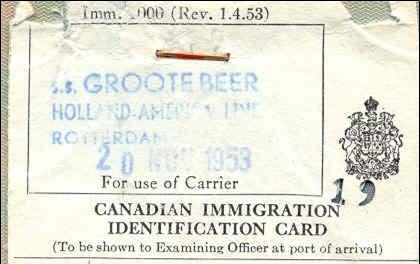
The weather was warm for that November day as we approached the harbour of Quebec City 70 years ago. The people on the Dutch ship ‘Grote Beer’ were eagerly looking out on the city and its buildings along the St. Lawrence River each with their own thoughts about this land that they had decided to settle in. There was hope for a good future but some were disappointed with the old look of the buildings they saw and remembered what they had left behind.
Having packed our suitcases the day before, we were all eager to disembark. After nine days of ocean travel all the while experiencing a heavy Atlantic storm, causing much sea-sickness among the passengers, the immigrants looked forward to setting foot on solid land. The next day the landing cards were stamped and the families were allow to transfer to the arrival shed where there were some people who welcomed us in Dutch and we waited to be assigned a location on the Canadian Pacific train parked next to the building. My mother as usual would notice on entering on board that the seats were dusty and the compartment looked old. As the weather had warmed many of us took off our coats and stored our luggage overhead and waited. No one seemed to know when the train would leave, all we knew was that we were headed to Montreal and Toronto.
After waiting for sometime, the people were starting to get hungry and so leaving the train, crossed the tracks to a small store they had spotted and bought bread, margarine and drinks. The bread wrapped in paper, was white and spongy and the margarine was pure white and tasted very salty, very unusual, as the bread they were used to was much more solid and margarine in Holland was yellow.
Towards the end of the afternoon the train started to move and we settled down for the journey which lasted all night, till we finally arrived at Toronto. My aunt Gine and uncle Henry Oosterveld (my Mom’s brother – whose family had immigrated two years earlier) together with my cousin Reina met us with their car at Union station. The weather was cloudy, damp, with spots of fog at 6 degrees Celsius. We loaded up the car. (a 1950 Ford I believe) Three in front and all of us (five – my parents, two sisters and I) in the back with our luggage in the trunk, a very heavy load.
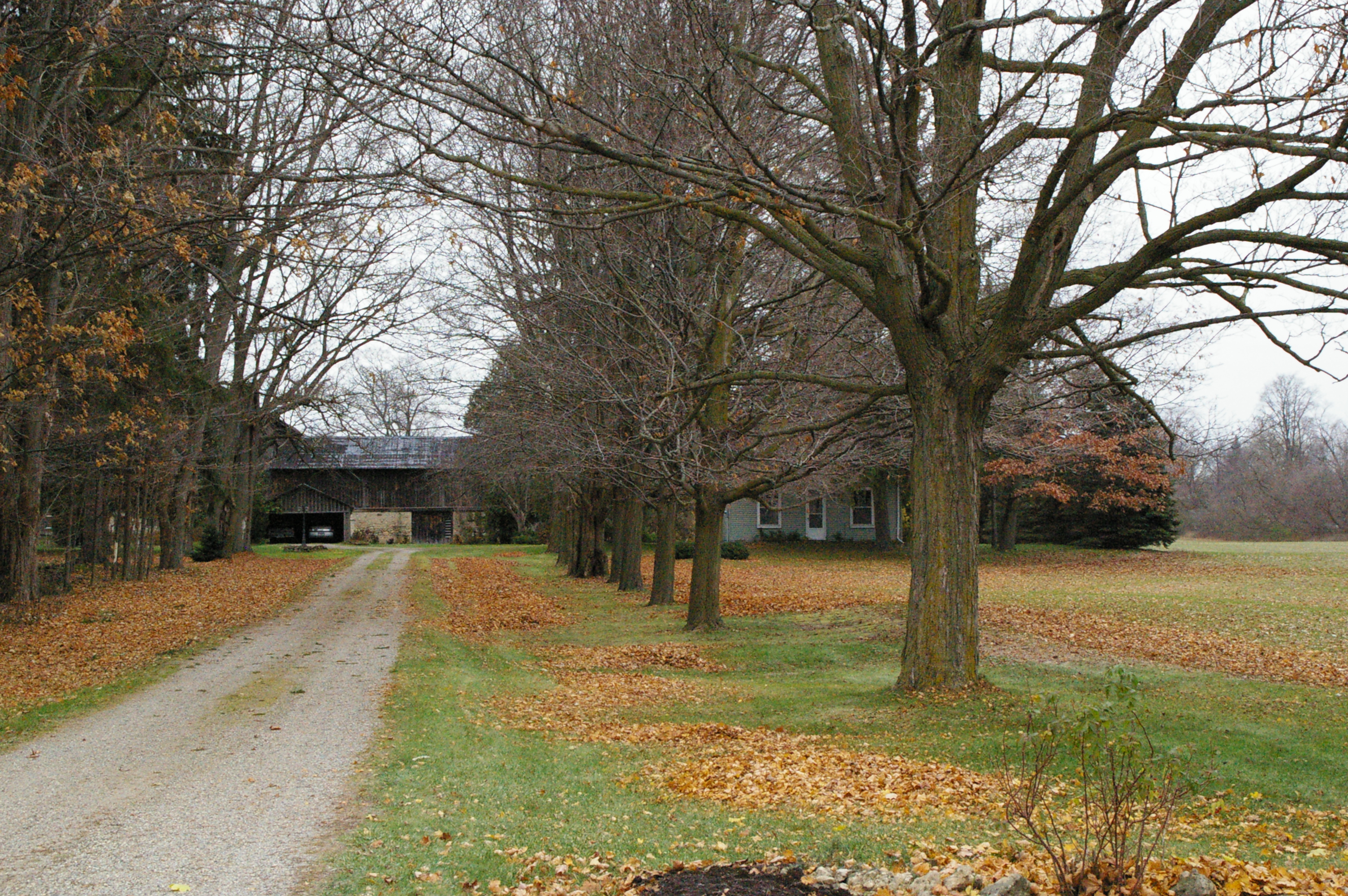
We proceeded up Yonge Street (my Uncle was amazed how long this street was) and turning onto Highway 7 heading to Guelph, travelling through Brampton, Georgetown, Acton, Rockwood and then turning left onto Wellington County Road 29 towards Eden Mills. Past the one room school house (on the right) that I would attend in the next few days towards the first driveway on the left. A two track lane-way lined by trees on each side, ended at a barn with a farmers house on the left and a smaller two story house on the right where we would spend acclimatizing to the Canadian environment during the next two months as guests of my Aunt & Uncle. We had arrived in Canada!
We were ready to claim the words in the Bible book – Numbers, chapter 14 verse 8 where we read the words of Joshua and Caleb: “If the Lord is pleased with us, he will lead us into that land, a land flowing with milk and honey…….. “ (Tr. NIV)
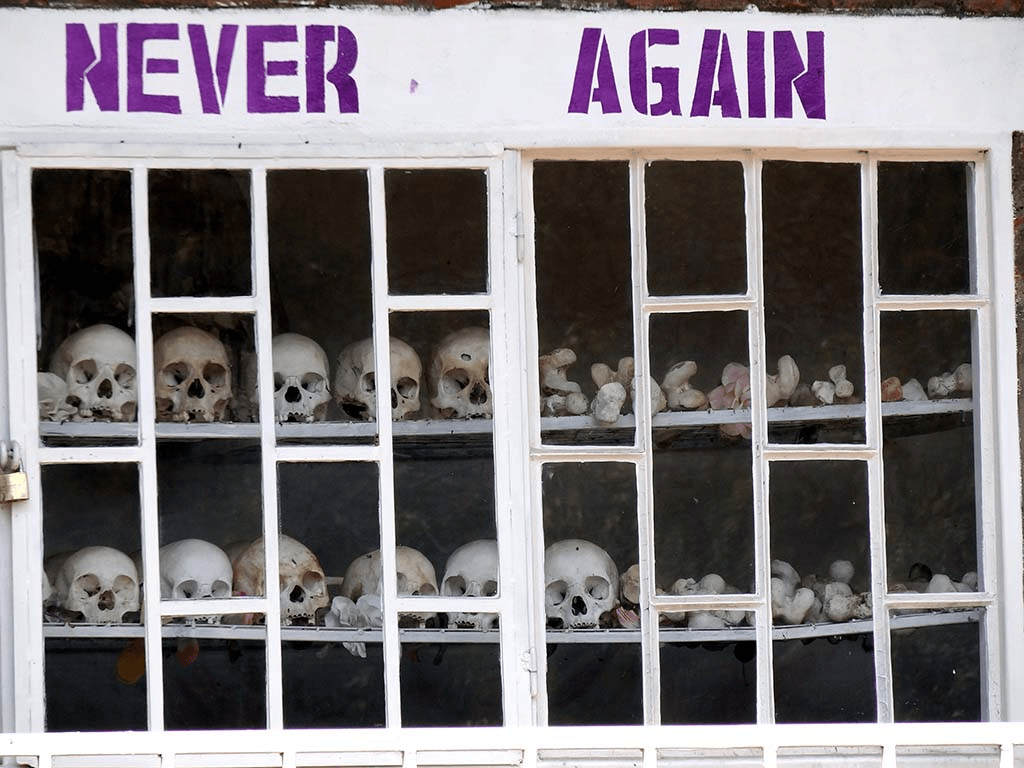
Recently I have been reading in a small book (222 Pages) about the 1994 ‘genocide’ in the African country of Rwanda. That is now 30 years ago. The book was written by John Rucyahana and is titled ‘The Bishop of Rwanda’. (finding forgiveness amidst a pile of bones) It was published in 2006. I do not know where I got the book but it came into my hands and I was able to read it while recovering from a bout with COVID recently.
The book describes the history of events leading up to and during the terrible times of May 1994 to July when 1,117,000 people were slaughtered and the later results and aftermath, the somewhat healing of this nation. (although there is still strife again in this nation today)
To start: it appears that the country was made up of just 2 tribes ‘Hutus’ and ‘Tutsis’ with one other very small tribe the ‘Twa’. Although the ‘Hutus’ and the ‘Tutsis’ had lived in peace for 500 years, things changed when after the WW1 the Belgians were the colonizers of the Congo and influenced events in Congo, Burundi and Rwanda. Already in the 1800s the meddling of the European powers caused serious and complex issues from the German African Empire of the late 1800s which of course fell apart after the first World War, to UN and Belgian control since then. By the 1950s there were voices promoting for Independence and the country (not without military (war) intervention and control) became the Republic of Rwanda on September 1, 1961.
But all was not well, there was bitterness between the Tutsis who had been favoured by the colonizers and the Hutus. The Tutsis were a taller race and had mostly been the government leaders of the country over the last 100 years or so. The Hutus although they were more in number began to resent the Tutsis. This became a tribal national issue and was encouraged by people in government, religious and the educational and administrational entities. Slowly the Tutsis were pushed out of leadership positions and the Hutus took control.
It was not unusual for school teachers to ridicule their Tutsi students. In morning class the teacher would say: Stand up Tutsis. Then he or she would say to the Hutus: Laugh at the Tutsis. Tutsis always received low scores on their tests and Tutsi teachers started to leave the schools. The author of the book says when he went to a church school as a student in region of Butare, there was a teacher (religious brother) that taught the Tutsis persecuted the Hutus. The church also participated in the slander and harassment of Tutsis by allowing the use of church papers to voice their rhetoric. Slander and misinformation was also broadcast from the local radio station RTLMC in the capital Kigali. Massacres, individual Tutsi killings and murders began to be common news in the days and years leading up to 1994.
A piece of propaganda called the ‘Bahutu Manifesto’ (1950) had called for the liberation of the Hutu tribe, first from the white colonials, and second from the Hamitic (Tutsi) oppressors. In this document we hear the future tone-set for a Hutu nationalist movement by pointing out that the “indigenous racial problem” was the social, political, and economic “monopoly” held by the Tutsi race. This mentality by the 1960,70s and 80s finally ripened to a full blown situation in 1990. There were many scrimmages and fights also into the neighbouring countries. So called leaders were positioning for control. It was a volatile time in Central Africa and even the French became involved in the squabbles and military interventions. In fact it was the French in March 1992 that made the purchase of enough machetes, one for every Hutu male (some say a $6 million dollars purchase) shipped from China through Egypt. The plan had ripened.
The new government continued to consistently harass the Tutsis. When the President Habyarimana’s plane was shot out of the sky (suspecting an inside job) at Kigali’s airport in April 1994, the plotting and plan for the ‘Tutsi operation’ that had been cooking for years was ready to launch.
General Romeo Dallaire (Canadian with the UN Peace Troops) saw the tension coming and issued warning after warning, ignored by the International community and delayed by UN bureaucratic ‘passing the buck’ resulted in inaction. Later President Clinton came to ‘apologize to the Rwandan people’ for the international indifference.
The killings started on the eve of April 6 and continued into July. To achieve the over 1 million (of Tutsis and moderate Hutus) killings in neighbourhoods, streets, highways and villages, ordinary people who had been fired up by the rhetoric of race and slander for years, went through their neighbourhoods equipped with the thousands of machetes that had been carefully distributed. Hutus hacked off heads and limbs of any Tutsi they encountered (friend or neighbour). Religious and community leaders helped to expose Tutsis hiding for their lives and led the killers to groups hiding in the bush and buildings, only to be slaughtered and executed. The country became a killing hole insane madhouse. Blood flowed everywhere. corpses scattered everywhere. The people became like insane mad-men. Some who had taken shelter even in churches or houses were killed by the thousands. Many fled the country. One commentator said: the killers were 5 times more efficient than the Nazis had been. Over 1 million executed in less then 3 months (100 days of terror). Women and children decapitated, raped and mauled with what every instrument available. Terrible, terrible! You can read those individual accounts on the Web. General Romeo Dallaire (UN Peace keepers) wrote the book ‘Shake hands with the Devil’ and talked about his mental health PTSD from the spectacles he had seen and tried to forget, because he had been unable to help or prevent the genocide. And afterward? Trauma, deep emotional from deep insane memories of the bad scenes witnessed by those who committed the slaughter and those who saw their loved ones killed. Memories unable to erase. A broken people. A broken nation. A long road to healing that is not even finished today!
Picture: blackpast.org
So now I have given you a glimpse into the Rwanda situation, so why did I write a piece now, about these events?
Well, I am worried about the situation we find ourselves in today. Youtube and the internet social media sites are full of vitriolic (hate and anger) statements, videos, ridicule and some generally dangerous comments made about people, events and our institutions. One of the contenders for the most powerful Presidential (USA) office in the world has been slandering and calling out ‘putdowns’ on many (leading) citizens of his own country and promoting revolution. (‘crazy Nancy P‘ and the event of January 6 storming of the US Capital) You can check it out on the Web. Further, we have heard time and again of slanderous ‘general’ accusations (cat-ladies) against migrants, refugees (criminals and rapists) and other aliens. Threats has been uttered and false information has been passed around (and imagined as real factual news) and spoken for as truth and factual, (Haitians eating pets) more dumbing down the self-worth and legitimacy of immigrants and even untruths told about political opposition leaders in the country. Turning comments on news events into weaponized barbs. Why even the ‘judicial institutional circle’ and people in the justice and protection services (defund the police movement) have been threatened with prosecutions and wholesale ‘revenge’ trials, imprisonments and deportations. And what about the conspiracy stories we can access on YOUTUBE where we find people who will tell untruths and make up ‘stories’ to attract attention with lies, all for money and control, meanwhile inciting and fooling decent citizen to believe the ‘garbage’ they tell. It all sounds so much like the rhetoric heard in Germany during the 1930s (remember KristallNacht) and the Rwandan genocide situation I describe above, isn’t it? To many today, these promotions are now the ‘god honest’ truth. Why even their fellow leaders in ‘high places’ are mum (dumb) about all of this. (Lets keep in power at all costs) You know the saying attributed to the Lutheran Pastor Martin Niemoller (1892 – 1984): ‘…First they came for the socialists, and I did not speak out—because I was not a socialist. Then they came for the trade unionists, and I did not speak out—because I was not a trade unionist. Then they came for the Jews, and I did not speak out—because I was not a Jew. Finally they came for me and then there was no-one left to speak up for me………….’
‘Then they came for me’ — Take a warning from the much maligned saying: “History repeats itself”. You say, but that is not so here in Canada? But you have already heard that the Prime Minister has been called a ‘wacko’! Is this the start?
I write this for my children and for my grand-children and my neighbours and friends. Please don’t go down this route. Keep to the highroad, nobody is perfect but in my neighbourhood the Christian command of ‘Love your neighbour as yourself’ still is the proven rock hard foundation of our human togetherness.
Can we change course?
‘Like a city whose walls are broken through is a person who lacks self-control.’ Book of Proverbs chapter 25 verse 28
Peace to you all!
JS September 16th, 2024
Epistle to the Ephesians chapter 5 verses 6 – 16 Tr. the Voice. Don’t be fooled by people whose sentences are compounded with useless words, empty words—they just show they are empty souls. For, in His wrath, God will judge all the children of disobedience for these kinds of sins. 7 So don’t be persuaded into their ignorance; and don’t cast your lot with them 8 because, although you were once the personification of darkness, you are now light in the Lord. So act like children of the light. 9 For the fruit of the light is all that is good, right, and true. 10 Make it your aim to learn what pleases our Lord. 11 Don’t get involved with the fruitless works of darkness; instead, expose them to the light of God.12 You see, it’s a disgrace to speak of their secrets (so don’t even talk about what they do when no one is looking). 13-14 When the light shines, it exposes even the dark and shadowy things and turns them into pure reflections of light. This is why they sing, Awake, you sleeper! Rise from your grave, And the Anointed One will shine on you. 15 So be careful how you live; be mindful of your steps. Don’t run around like idiots as the rest of the world does. Instead, walk as the wise! 16 Make the most of every living and breathing moment because these are evil times.
But there was big trouble brewing in Europe. Hitler and his Nazi party had grabbed power in 1933 [1] and the spread of Fascism ‘nationalism’ with white (German) supremacy advocates with its large rallies had unsettled the neighbouring countries.
In the Netherlands too, people were nervous. Even though the country had remained neutral in the First World War and its citizens had escaped occupation by the enemy, unlike their Belgian neighbours who suffered severely under the constant fighting around the country side of Flanders and southern provinces. However it did not look that this time they would again be bypassed. Sure many people in the Netherlands and in Europe including Germany’s arch rivals the British and the French did not believe it could happen again, for after all the 1914-18 struggle had been the Great War to end all Wars.
The N.S.B. [2]a political fascist movement that was sympathetic to the Nazi cause was only a small party in the scheme of Dutch politics in the 1930s. Their leader Mussert received less than 5% of the vote in 1939. In fact in Groningen the vote for the NSB party was less than the country average, 3.8% of all eligible votes cast in the province (only 2,324). Wherever the ‘Reformed’ community formed the largest part of the population the vote for the NSB party was even lower than the national average of 3.8%. (This also bears out why the province also had the highest number of people involved in illegal activities during the war.)
It was at this time (September 1939) that my Dad was called back to serve in the army during this ‘mobilization’ time. This was a period when the country prepared itself for possible war and all young men where recalled to serve. Dad also was called away from home, although just married and running a new business did not matter for the State demanded that every able bodied man serve their country. Every once in a while he would come home looking unkempt and forlorn my Mom said. Dad stayed in various places in Holland. For a while was stationed near ‘Breukelen’ where my daughter-in-law Carina Oussoren comes from, around the middle of Holland (‘Utrecht, Breukelen’ area).
Dad, as in school earlier, did his level best not to show too much enthusiasm and I doubt whether he ever fired a gun. Also I heard stories of how he and his buddies always tried to get away with things. Whenever they went on patrol or training marches, they always looked for the easy way out, like: getting the sergeant of their group who was a much older man, to carry all their rifles and some of their equipment on his bike. Later Dad often laughed about these ‘episodes’ in retelling them but you could sense a bit of guilt in his tale when he referred to the sergeant, who was a career officer and much older, as ‘die arme man’ (‘that poor man, my how we teased him?’)
Later on, after the war, while I was still very small, he used to tell tales at the dinner table how he had fought and stabbed the Germans with the tip of his handkerchief and ‘they would bleed like a tear in a flour bag’ he would say and demonstrated with his hanky. I don’t know about you (the reader) but if you have ever seen a flour bag stabbed or ripped open with the flour pouring out of it and I saw many, being a baker’s son, you can imagine how this talk impressed me as a young lad. I never doubted for a moment that this was just my dad’s way of having ‘fun’. I thought this was real for a long time. My mom would smile at me, shake her head and close her eyes, an indication that although it ‘might be true’ but was nothing but a tall tale, probably just fun, a joke.
As 1939 approached Dad and Mom both realized that war was imminent and my Dad did not relish the thought of being part of it. I believe he was afraid and knew enough about the preparedness of Dutch army to understand that they were no match for the Germans if they decided to attack Holland [4]. During his younger years my Dad had fallen while skating and he had injured his wrist. This old injury bothered him from time to time and he decided to use it as an excuse to get out of the service, for he had to get back to his bride and his new business. Besides, he saw the commotion in Germany and heard the rhetoric and was convinced that the fighting that was sure to come was not for him. (when Hitler attacked Poland on Sept 1, 1939, this was the date of their first wedding anniversary)
Dad went to a doctor and explained his problem. They took an X-ray and discovered that he had a small shattered bone in his wrist. On this basis he was declared unfit for the army and sent home. The discharge papers, dated January 10, 1940, given to him, he kept in his wallet till he died. I don’t know why, but I do think that relief, guilt and pride of being part of that whole time of conflict were a major point in his life. Little did they know (I think my parents had a strong sense that eventually war was unavoidable) that a couple of months later the German boot would come and crush the country for five miserable years till May 1945. My Mom was not as afraid as Dad was about things and had established a procedure by which she would buy her weekly household necessities and then purchase extra things and store them because she was more absolutely convinced that bad times were about to come. When we played in the attic as little kids we could see some of the items she had stored away: bicycle tires and various food stuffs and tobacco etc.
With Dad returning from the army, the business (I give my Mom lots of credit for coping with the business while Dad was away) continued to grow.
It was in the evening of 9th of May and the early morning of 10th of May 1940 that Hitler’s forces entered the Netherlands. Although the Dutch and allied governments had been warned by secret messages from an allied spy-group within the ‘Abwehr’ (German Army), nevertheless the attack was a total surprise. [5] At 3 o’clock in the morning at one of the border crossing stations, at ‘Nieuweschans, Groningen’, there was a brief resistance and then the German Panzer train loaded with military equipment steamed onto the Dutch railway system and preceded unhindered towards the city of Groningen. Holland had been invaded by the Nazis. Fierce fighting erupted in several places in central Holland; at the Greppelberg, Moerburg, the Afsluitdijk, around Den Haag and Rotterdam but the German ‘blitzkrieg’ method of war was too powerful and too swift. The Germans having practiced their bombing techniques (Spanish Civil War 1934-38) on the city of ‘Guernica, Spain’ in 1937 as ally of General Franco, now also proceeded to make their intimidating superior presence felt in Rotterdam where German Airforce leveled much of the inner city to the ground causing the death of 900 civilians. Queen Wilhelmina [6] and her household with the Dutch government fled to England on May 13th [7], determined not to let her people down until her country was won back for the Dutch. On that day (five days after the invasion) General Henri Winkelman the commander of the Dutch forces capitulated. (King Leopold III of Belgium whose country had endured the terrible slaughter of the 1914–18 war (‘the war to end all wars’) gave himself up to Hitler as a political prisoner and this act was held against him dividing the Belgian people till the crown-prince Boudewijn (‘Baudouin’) finally took over in 1951 when Leopold abdicated).
Meanwhile life in the city of Groningen was in for change. The Germans arrived on May 10, 1940 and before long took over the city and provincial governments. On May 29, 1940 the Queen’s representative Dr. Homan was dismissed and their own commissioner, a West German, Dr. Conring born close to Groninger/German border and able to speak the same low-German (Nederduits) dialect that the Groningers spoke, was installed. Although the changeover was slow, it was systematic and with purpose. The city was beginning to be ruled from Berlin. The Germans took over the ‘Scholtens Huis’(also called the ‘gates of Hell’) opposite the City Hall on the Grote Markt. Many cruel and terrible acts were committed here by the SS and company, (Sicherheitspolizei and Sicherheitsdienst). The cruelest of all was Gestapo officer Robert Lehnhoff, responsible for many executions and committing gross terror on the citizen of Groningen.
Many of the provincial and city councilors and city hall administrators continued to work with the German regime for awhile. Slowly many had to quit their jobs when it became evident that staying at their jobs made them compromise with the Nazification, imprisonment and death of their own countrymen. Many never again were able to resume these positions even after the war.
Although the defeat of the Netherlands in the invasion by the Germans in 1940 did not make drastic differences in the way of life immediately. The Dutch soon found themselves quietly forced to support the war effort of the Germans by working for the regime in the German factories and influenced through propaganda becoming joint cohorts into the Nazi Nationalistic ideology. The Nazis had calculated that the Dutch people would aid them in their social schemes to make the German race the master race of the world and to buy into all their agendas including the destruction of the Jews who they said were to blame for all the misdeeds and misfortunes of the world. The pushback against the ‘Nazification’ programs was supported by a strong underground resistance movement. This resistance included many persons in the Reformed, Catholic and Communist and many other communities who were against the misdeeds and social engineering schemes of the Nazis. The tyrannizing of the population was beginning. These groups operated in different sections of the province and were loosely connected together. Most were cell groups so that in case of capture or infiltration there was not much chance that the entire movement would be harmed and destroyed. Many students and young men were involved. Also many young girls served as couriers. Clandestine newspapers like ‘Vrij Nederland’ and ‘Trouw’ were started to inform the people of the truth suppressed by the Nazis who had taken full control of Dutch social life and the media. My parents too were involved in this resistance movement.
My mom was the primary contact person. My dad ran the business and my mom with the type of person she was got involved with some of the young resistance fighters whom she would give shelter from time to time. Sometimes they would hide in their upstairs bedroom and wait for nightfall before proceeding to their next break-in/robbery target which was usually a food stamp distribution office [8]. Soon after the occupation all citizens were issued food stamps that allowed them to purchase food stuff, without these stamps you could not get the necessary items. This was introduced to provide ‘control’ and ‘fair’ access by all citizens to the sometimes meager supplies as the war had interrupted the supply process. I can remember that my dad spend a lot of time pasting stamps on cards that he had collected from his customers. In this way he was limited in purchasing new supplies by the amount of stamps he could hand in. The German war machine needed a lot to keep their armies well supplied. Because Dad had his bakery to run, food was never a problem in our house during the entire war time. It may have been a meager supply at times and ‘tulip bulb flour’ was not unusual with other ‘surrogate or artificial’ supplies. The hard black coal ‘coke’ used to stoke the bakery ovens, eventually gave way to ‘peat’ ‘turf’ due to lack of supplies as trains and facilities were being bombed by the Allies and the coal was rerouted to feed the war industries of the Ruhr region of Germany. Slowly on, the population was being (‘Nazified’) organized by the invaders who showed their prejudices by issuing ‘personal identification’ cards (mom’s and dad’s cards show their photos and fingerprints) to all the citizens and in this way they would find out who was who and who was Jewish. This was especially true for when the Jews were forced to wear a yellow star of David whenever they appeared outside on the street.
A sidewalk plague to remember ‘Bertha Grunberg’ who was taken away to Auschwitz – murdered in 1942
Also in Groningen, the Jews did not escape this threat even though it was perhaps not as violent on a large scale such as in the big cities like Amsterdam, Den Haag and Rotterdam. Since 1750 the Jews had obtained refuge and citizenship in the city of Groningen. Now they were being harassed and beaten by the Nazis. The Jewish synagogue [9] was shut down and Jews had their businesses taken away and families were sent to concentration camps. The Jewish synagogue building still stands to-day but is no longer in use in Groningen. Its flourishing Jewish population was almost decimated by Nazi policy and cruelty. Mom recalls a Jewish neighbour who came into the bakery store and asked whether Dad would be willing to buy his business as he had received orders to report the next morning with his family to Nazi headquarters. Later I asked Mom, why did you not do something, and she said it was a pitiful sight as there was nothing one could do. It was tough to act because of the strong control of the Nazis over the daily affairs of the citizens’ lives. They had the weapons and were always ready to use them and force fear into the hearts of the citizens. Helping Jews in those days would be punishable by death. They did not hesitate to shoot people. Their ‘excuse slogan’, that it is ‘all sabotage’ came easily out of their mouths.
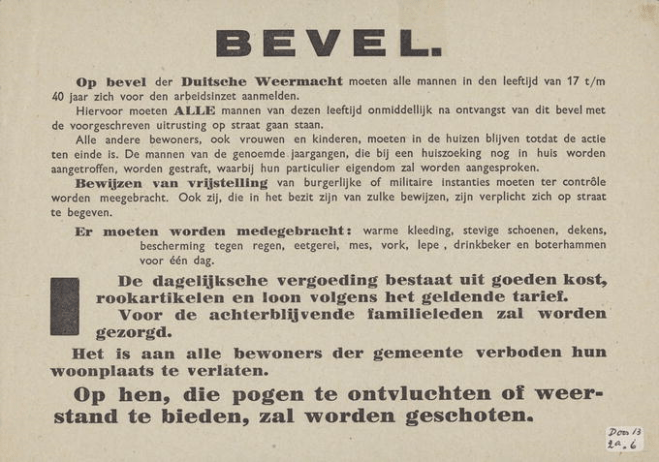
WARNING: ‘Op hen, die pogen te ontvluchten……..wordt geschoten’ Tr. ‘those who try to escape……..will be shot’
The reality of this ‘tyranny’ that people had to endure was driven home to me when with my parents, we visited the ‘Five days in May’ (‘The Sweetest Spring’ – ‘De Mooiste Lente’) exhibit of the Canada Armed Forces in Ottawa back in the summer of 1990 [10]. In that display they exhibited original hand bills that the Nazis would post on the streets indicating that they were going to round up the menfolk for factory labour [11] in Germany. All able males (17 to 40 years old) were to report and stand ready with a few belongings at the street curb for pick-up. Those that refused and tried to get away ‘would be shot’. No ifs or buts. This was the way it was.
JS October 16, 2023
[1]In 1933 my dad up served his time in the Dutch Army. [2] NSB: Nationale Socialistise Beweging (National Socialist Organization) founded in 1931 and by 1936 turned anti-Semitic. By 1937 their representatives showed little respect for parliamentary procedures and had to be called to order by the Speaker for physical & verbal abuse. They collaborated with the Germans. [3] In Gospel of Mark chapter 13 verse 7 and Gospel of Matthew chapter 24 verse 6 we read:‘You will hear of wars, or that war is coming, but don’t lose heart. These things will have to happen, although it won’t mean the end yet.’ (Translation: The Voice) [4]They called their mode of war: Blitzkrieg – lightening war, fast mobile forces with concentrated firepower and air support. [5] Read the Jan Groenewegen’s story (Opa Cor Groenewegen’s oldest brother) about the Germans attacking Rotterdam and vicinity from his home on the island of Rozenburg across the river from Maassluis. [6]The Queen was married to Prince Hendrik (Duke of Mecklenburg-Schwerin) the Prince was a playboy and the marriage was not successful, however after several miscarriages, a daughter Juliana was born who succeeded her. Queen Wilhelmina (abdicated) resigned in 1948 – reigning 58 years) [7] Queen Wilhelmina vowed to stay in Holland but after many urgent appeals to leave, was picked up by the English warship ‘HMS Hereward’ from the port ‘Hoek van Holland’.’ She spent the entire war time in England broadcasting radio messages to the Dutch. Her daughter Princess Juliana and husband Prince Bernhardt spent the war years in Ottawa where Princess Margriet was born.(January 19,1943)[8] The resistance groups would steal food stamps so that those who were sheltering, the boys and men who had gone ‘underground’, (not work for Germany or because they had committed sabotage etc.) would be able to purchase the necessary things for food etc. [9] The Synagogue was constructed in 1756 in the Folkinge Straat, (one of the oldest streets in the city from 11th century)but was closed and sold in 1952. Deportation of Jews started in August 1942 with 600 people and continued till 1943. Few Groninger Jews escaped the terror of the Nazis. [10]In 1990 my parents listed their Burlington townhouse for sale and moved in 1991 to Ebenezer Senior Homes on Stone Church Road beside the Can. Ref. Church. Both my mom and dad were already showing their age. [11] These searches, roundup raids were called ‘Razzia’. On October 1st, 1944 in the town of Putten one of the worst and most vicious ‘Razzia’ of revenge took place because the local German commander had been attacked by the resistance just outside the town.
Deep peace of the running wave to you. Deep peace of the flowing air to you. Deep peace of the quiet earth to you. Deep peace of the shining stars to you. Deep peace of the gentle night to you. Moon and stars pour their healing light on you. Deep peace of Christ, of Christ the light of the world to you. Deep peace of Christ to you. (John Rutter – Hymn)
In the beginning Elohim created the heavens and the earth. Now the earth had become waste and wild and darkness was on the face of the roaring deep but the Spirit of Elohim was brooding on the face of the waters. [1] Book of Genesis 1 : 1 & 2
Way backin the early days of the formation of the Atlantic waters, seas of melting ice came rushing from the Icelandic regions and swirled around the western coasts of Ireland, Scotland and what is now the British Isles reaching and stretching west and then eastwards as far as the Lowlands of the continent flooding the fields of its coastal lands, creating small lakes, marshes and wetlands. In its struggles with the waters, the terrain sometimes recaptured and gained solid ground and waterlogged meadows from the seas but mostly giving way and losing an eternal battle against the raging floods pushed on by the fierce November and February [2] winds from the great stretch of sea waters then flooding west from and to the edge of the known world.
Boudica, the Celtic Queen who challenged Rome worldhistryonline.com
The ‘Franks’, ‘Celtic’, ‘Frisian’, ‘Saxons’ and the ‘Batavian’ tribes who had settled along this sea coast expanding from western France and Belgium, north along this North Sea coast to Germania and as far as the River Weser and parts of Denmark, raised and built ‘terps’ (small rises in the land) to flee from the rising flood waters. In a land that was always full of water, they struggled to master and reclaim the fields threatened constantly by the onslaught of the water with its fierce resistance to be tamed. These dwellers who later on became a mixture of ‘Angles’ and ‘Saxons’ some of whom buried their dead (5000 B.C.) under mounts of rocks, (‘hunne bedden’ or ‘dolms’) [3] stubbornly struggled and hardly subdued by the Roman legions [4] in 5 BC, were the ones that carried the ‘seed’ of our forefathers.
Trientje Oosterveld with family & friend on a ‘Hunnebed’ – early 1930s
Although steeped in ‘heathen’ practices of forest gods and deities but with a structured and tolerant culture of chiefs and kings, they allowed the missionaries from Ireland and England to walk among their people and preach the Good News of Jesus. When missionaries Willibrod and Bonifacius arrived from the British Isles around and shortly after 700 AD and began to urge the disruptions and destruction of their holy worship places and shrines for the true Christian Gospel worship, chopping down (‘732 AD’) their sacred trees (‘Thor’s Oak’), a connection to their gods, they became enraged and killed Bonifacius near the city of Dokkum in 754 AD.
After those days, these folk were again subdued, this time by the French emperor Charles the Great (Charlemagne- 800AD) with a strong violent measure of accepting Christian baptism for loyalty to the emperor. With the rising of Christianity and dominance of the papacy Catholic church, they struggled through the Middle Ages into the age now known as the Renaissance with its new approach to community and faith, experiencing a new revival of the Christian Gospel message. Much later in the 1400s AD, they became subjects to the evolved Spanish (‘Habsburg’) empire through the uniting of the crowns of the Christian kingdoms of Castile and Aragon by the marriage of their monarchs, Isabella I and Ferdinand II, and eventually became organized into the Lowlands (including Belgium) subject to the Catholic King of Spain, Phillip II, who re-acting to a ‘rebellion’ as a result of a renewed religious ‘Protestant’ revival movement, sent the Duke of Alva and his army, backed up by the fierce and hated ‘Inquisition’, to subdue his Lowlands Dutch subjects away from this new ‘Reformation’ back towards the Roman Catholic faith, by killing thousands of God-fearing folk and laying waste many Dutch villages and towns.
Striking back [5] against religious and political persecutions, they declared their resistance and religious freedoms in 1568 (eighty-years war 1568-1648) because of their commitment to the Holy Scriptures and a desire to set their independence with freedom to read their Bibles now becoming freely available to the common folk through the invention of the printing press and actively preached and promoted by the priest and philosopher John Wycliffe (translations into the local vernacular) and others. So springing loose from the grip of the ‘Holy See’ in Rome and spawning the beginnings, with Luther and Calvin, of the ‘Reformation’, they eventually formed the Dutch Republic under the leadership of Wilhelm of Nassau, the Prince of Orange.
Under this independence movement which took a long 80 years to obtain their freedom, the Republic of the Netherlands prospered and the northern provinces of Friesland and Groningen became wealthy and strong settlements in this new nation. The Frisians with their language leaning much towards the ‘Angles’ and the Groningers borrowing from the ‘Low Saxon’ languages became two very distinct regions of subjects of the Royal House of Orange, yet one people united under the tri-colour of red, white and blue flag of the ‘Republic of the seven united Netherlands’.
Tolerant to refugees but fiercely independent and proud, they explored and settled across the world and throughout the centuries of the 16th and 17th giving both Spain [6], England and France (world powers of that day) a run for their money so to speak, in the control of the seas which they totally dominated into the 17th century. This period now known as the ‘Golden Age’ made famous by their poets and artisans like Rembrandt van Rijn being one of the greatest master painter of ‘light and darkness’ captured by his ‘Nightwatch’ forever.
Constantly caught in wars between England, France and the Austrian empires, against their Royal House of Orange [7] and although related to the English monarchy and the nobles of Germany and dominated by Napoleon in the turn of the 18th Century (1806 -1810) they fiercely held onto their independence and although sometimes loyal to German ideals have settled strongly in the last 100 years to the Atlantic alliance and counted heavily but in vain on French and English troops to deliver them from oppression during the start of the second world war, being neutral in the first war.
PosterFreeHolland
In the last century they became world sea-farers, farmers, growers, technology experts and commercial bankers and colonizers to the rest of the world. A small nation of brave folks, they were always on or near the front pages of world events. Eternally grateful to the Canadians for their liberation from the Nazi brutes in May 1945, they prospered and their immigrants and business people are now found and respected all over the world.
They are a sober people, many are children of the ‘Reformation’ and God fearing. As you travel through their land you will find many beautiful churches testifying to the fact that God has blessed them in all their struggles and endeavours. However many of these fine buildings stand empty now and the spirit of the ‘sacred pilgrims in their journey of life’ is now more mixed both by off-shores refugees and migrants. There is a changing in the landscape of the once pastoral, wooden shoe and Sunday religious observance ambience. Where cattle grazed before, we now see highways like modern rivers crossing the country and with the country’s borders now only in virtual mode having been absorbed by the political reality of the Union of European (27) states. Bravely facing the new 21st century, while holding on to old ways and a precious culture assaulted by contemporary ‘world culture’ twitter media, more and more becoming just a ‘fleck’ in the landscape of English speaking and modern internet connected world communities.
This is the story of an ordinary family from the Groninger North with their contribution, dreams and ideals as God-fearing Dutchmen shaping their lives’ paths as best as they could.
Someone once said: ‘All the world is a stage and the men and women merely players’. But these folks took as their banner the now famous lines by Abraham Kuiper [9]: ‘there is not a square inch in this world that does not come under the rule of Christ’.
This strong Biblical Christian worldview would give rise to changed communities where-ever they settled. Each person contributing their small part to the completion of the grand journey of life under the protection and watchful eye of the God of all grace.
Their motto was: ‘Mijn schild en de betrouwe zijt Gij, O God mijn Heer’. op U zo wil ik bouwen, verlaat mij nimmermeer. Dat ik doch vroom mag blijven, uw dienaar t’aller stond, de tirannie verdrijven die mij mijn hart doorwondt. [10]
Gerrit Schuurman b. 1769 – d. November 8, 1812 occ. Kastelein/Herbergier/Innkeeper from city of Groningen; married in Bierum on January 5, 1806 to Anje Jans Draak b.1783 – d. January 27, 1859 – occ. Koopvrouw/Sales lady from Bierum.
Jan Schuurman b. August 8, 1808 – d. April 27, 1881 occ. Beekeeper/Grower/Farmer from Bierum; married in Howierde (Bierum) January 6, 1838 to Anna Sterenberg (daughter of Hendrik Jan Sterenberg & Albertje Klassens Drijfhamer) b. October 21, 1812 in Appingedam – d. December 3, 1873 in Bierum
Derk Schuurman b. September 23, 1849 in Bierum d. April 5, 1902 in Groningen occ. Commissionair/Pakhuisknecht/Warehouse worker; married Aaltje van Bon (daughter of Pieter van Bon and Jantje Luitjes Post) b. November 11, 1850 in Veendam – d. January 12, 1927 in Groningen occ. Koopvrouw/Sales lady - they had 10 children.
Children: Pieterdina Schuurman b. January 25, 1880 in Noordlaren; Jan Schuurman b. September 8, 1881 in Haren; Derk Schuurman b. 1884 in Haren – d. February 18,1905 in Groningen; Antje Schuurman b. 1885 in Bierum;Jantje Schuurman b. December 22, 1874 in Noordlaren; Anna Schuurman b. April 20, 1876 in Noordlaren;Gerrit Hendrik Schuurman b. January 17, 1885 in Haren; Hendrik Schuurman b. 1889 in Haren – d. February 1, 1903; dead baby boy b. October 12, 1889; Luitje Schuurman b. 1893 in Haren – d. March 9,1916;Geertje Schuurman b. March 22, 1894 – d. March 12, 1984;
Jan Schuurman [1] b. September 8, 1881 in Haren – d. May 14, 1956 in Groningen; occ. Baker; married in Groningen September 1, 1910 to Titia Grasdijk b. May 22, 1882– d. 4 Dec 1969 (daughter of Pieter Grasdijk [3] (occupation – taylor) & Antje Hempenius of Sauwerd [4]; Together they had 5 children born in Groningen. Family of 5 children
Children: AntjeAaltje b. October 14, 1911 – d. August 30, 2008 in Haren – married to Gerhard Suers d. November 10, 1993; Derk – b. July 30, 1913 d. October 28, 1991 (Hamilton, ON) – married to Trientje Oosterveld – b. February 15, 1911 d. December 27, 1991(Hamilton, ON) daughter of Hendrik Oosterveld and Renske Pruim) occ. Housekeeping maid; Pieter b. March 28, 1916 d. July 12, 1972 – married to Uilkje (Oekie) Korenhoff b. April 30, 1918 – d. August 30, 2014; Gerrit b. March 23, 1919 – d. March 29, 1999 – married to Rightje Lourens b. September 7, 1921 – September 3, 2008; there was also a son named Derk Pieter, a twin brother to Antje b. October 14, 1911 who died August 3, 1912 probably from smallpox.
[3] More info: Oma Titia Schuurman-Grasdijk’s parents: Pieter Grasdijk (occupation – taylor) & Antje Hempenius of Sauwerd had 5 children and 1 still born child. Trijntje died May 29,1897 9 months old; Anna died April 4, 1889 – 1 years old; Jacob died age 27 Jan 27, 1913 was married for 2 years to Ekolina VanderVelde; and 1 still born male child Oct 9, 1901; there was a sister? named Boukje and a son named Dirk (1889) who emigrated to USA (Decatur, MI) in November 1910. Dirk had gotten in trouble with a girl and was sent to the USA. Boukje was the only one who kept contact with him, he lived in Decatur, MI – his wife’s name was Nellie Haak
Notes:[1] Translation: The Restoration of Original Sacred Name Bible (1973) [2] A huge storm occurred in February 1953 that broke through dikes and flooded many towns in Netherlands southern Zeeland province, causing the death of 2,000 people. Psalm 93 speaks of the might of the sea. [3]Stonehenge and many other stone structures in the British Isles and other parts of Europe are similar to the (54) hunnebedden or dolms that can still be found mostly in the Province of Drente. The biggest is in the town of Borger. [4]The Battle of the Teutoburg Forest (German: Schlacht im Teutoburger Wald, Hermannsschlacht or Varusschlacht), described as clades Variana (the Varian disaster) by Roman historians, took place in 9 AD, when an alliance of Germanic tribes led by Arminius of the Cherusci ambushed and decisively destroyed three Roman legions and their auxiliaries, led by Publius Quinctilius Varus. [5] Dutch sea pirates (Geuzen) capture the city of den Brielle 1572. A first strike against the oppressive Spanish rule.[6]Which ‘Dutchman’ does not know the song of Piet Hein, the Dutch ‘privateer’ captain who in 1628 defeated and captured the Spanish fleet off the coast of ‘Varadero, Cuba’, loaded with 177,000 pounds of silver, a sum of well worth over 11 million guilders. [7]The Republic became a Kingdom in 1813 under King William I. (Koninkrijk der Nederlanden) [8] Picture is of the church in Dordrecht where the ‘Canons of Dordt’ were agreed upon in 1618-1619. The five Points of Calvinism – ‘TULIP’ [9] a Dutch journalist, statesman and Neo-Calvinist theologian. Pastor in the ‘Gereformeerde Kerk’, founded a newspaper, the Free University of Amsterdam and the Anti-Revolutionary Party. He served as Prime Minister between 1901 and 1905. [10] ‘My shield and my reliance (trust) are you, O God my Lord’ The Dutch national anthem begins with: ‘Wilhelmus van Nassouwe ben ik, van Duitsen bloed, den vaderland getrouwe blijf ik tot in den dood…………’and then the beginning sentence of the sixth stanza usually sung as a second verse (there are 26 verses) of the anthem. Translation:











 On the Road